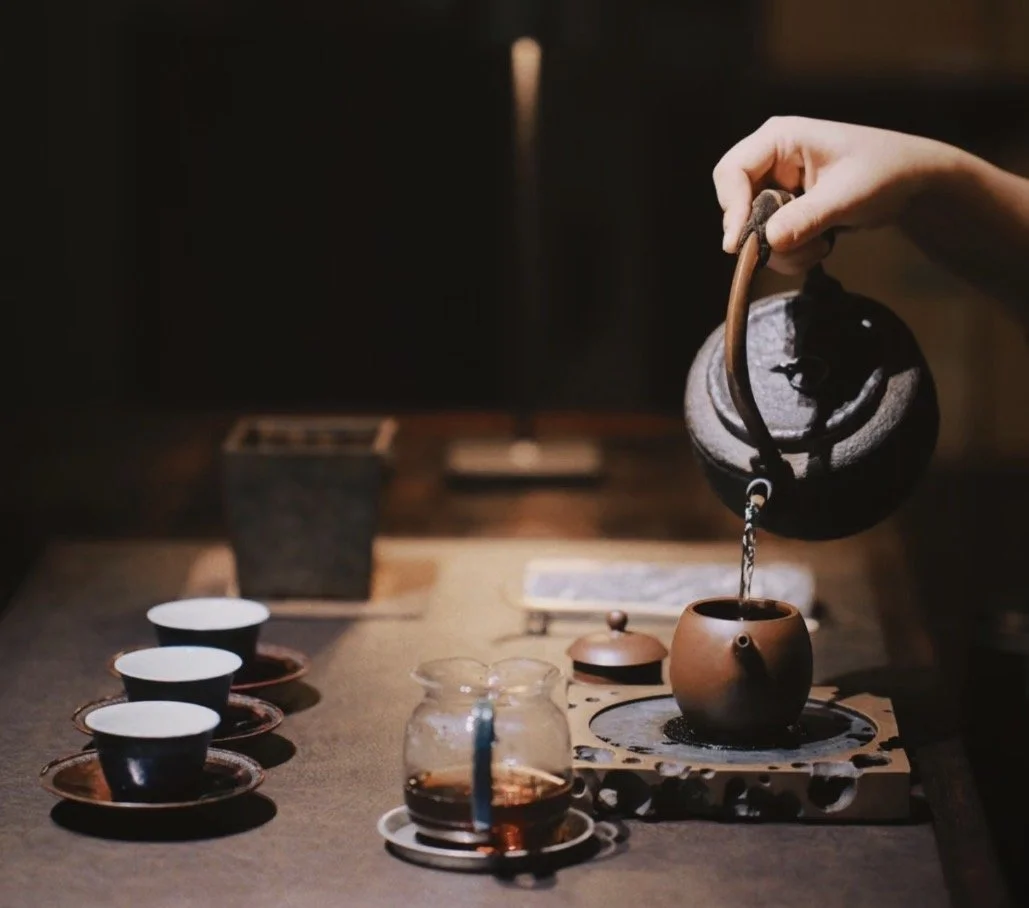
A Day in Shanghai, in Mandarin: From Tai Chi to Tea, TCM and Local Life.
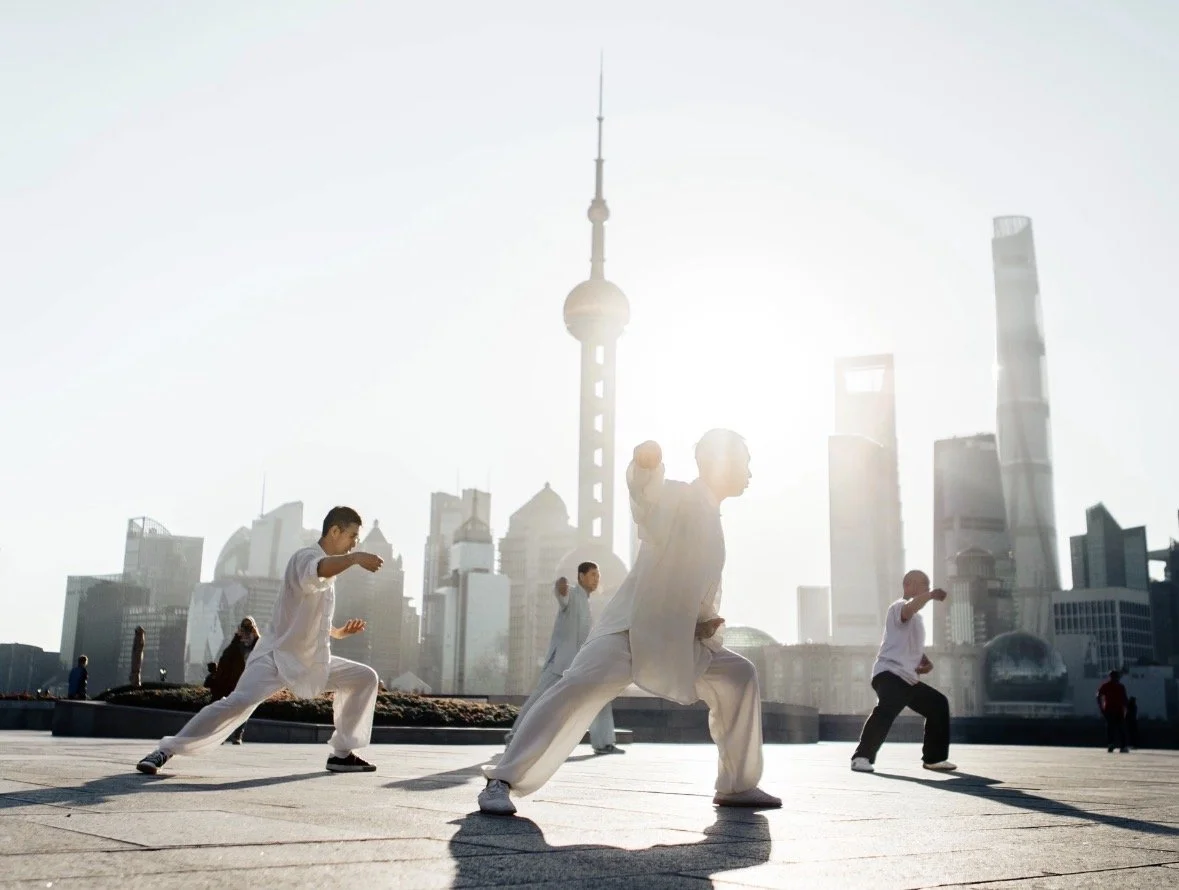
morning taichi at the bund
What if you could experience Shanghai without following a tourist itinerary — and use Mandarin to connect with every part of the day?
That was the idea behind this experience.
My client had studied Mandarin before, but didn’t have many opportunities to actually use it. She wasn’t looking for another sightseeing tour either.
She wanted something more personal:
to understand Shanghai, experience Chinese culture, meet people who know their craft — and do it all in Mandarin.
So we started moving.
The morning started with Tai Chi
We began with Tai Chi practice, slowing down and paying attention to the movements, the body and the philosophy behind them.
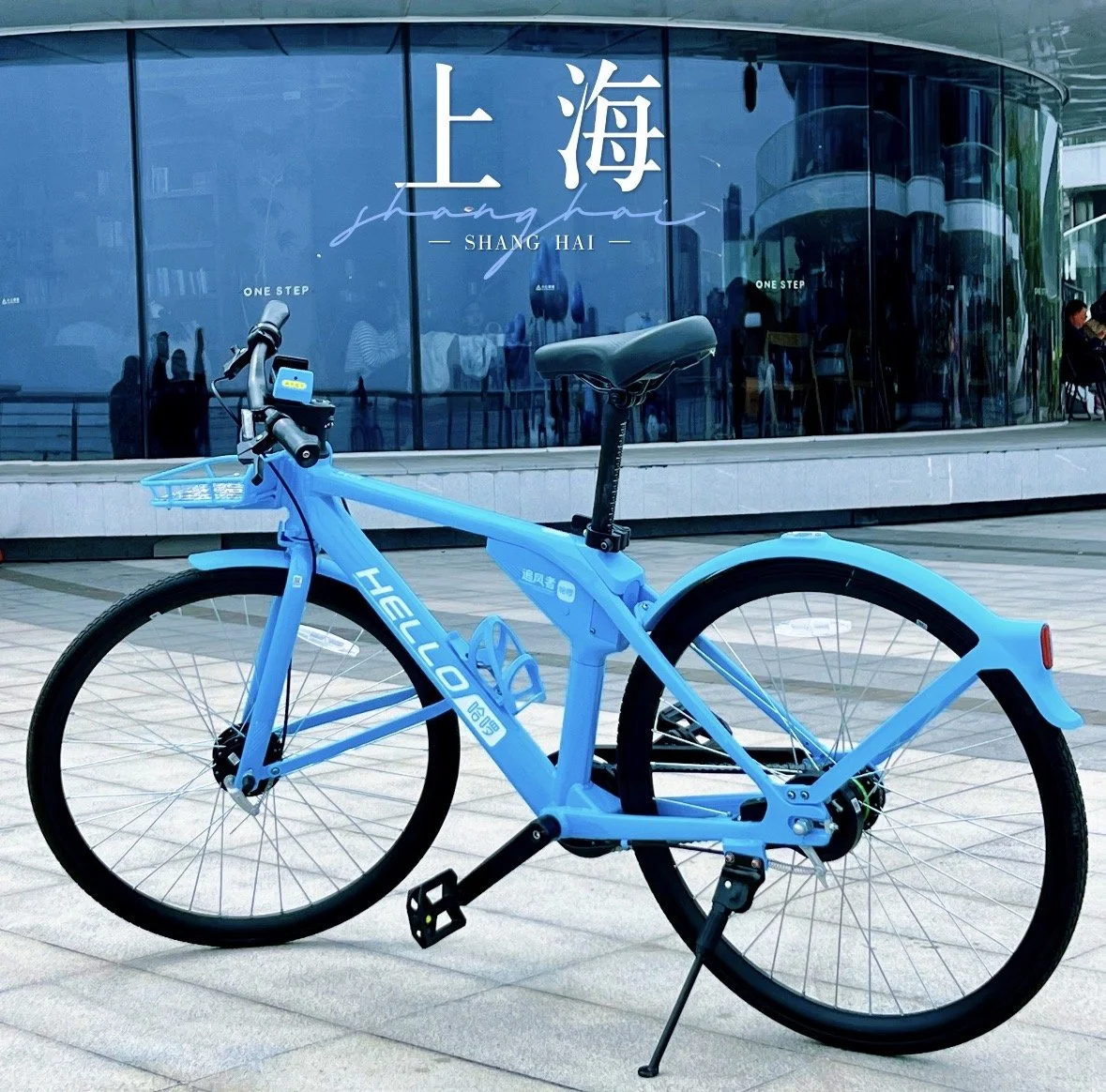
Then we got on our bikes and cycled through Jing’an and the Former French Concession, watching Shanghai change around us — old lane houses, streets, trees, cafés, modern buildings and everyday life.
You see something.
You ask about it.
You hear a new word.
You talk about what you are seeing.
And suddenly, you’re not “studying Mandarin.”
You’re using it to understand where you are.
Shanghai breakfast, tea snacks and a conversation with Eric.
Later, we prepared a Shanghai-style breakfast together, with tea snacks alongside it.
Then we sat down with Eric, a passionate tea enthusiast, and went much deeper into Chinese tea.
Different varieties.
How to drink them.
How to appreciate them.
The knowledge and thinking behind them.
And, naturally, plenty of Mandarin.
Eric shared a phrase that I really liked:
“Everyone is different, so the approach is different.”
因人而异 (yīn rén ér yì).
It was a perfect phrase for the day.
Because the more you talk to people who are genuinely knowledgeable about something, the more you realize that there is rarely just one way of looking at it.
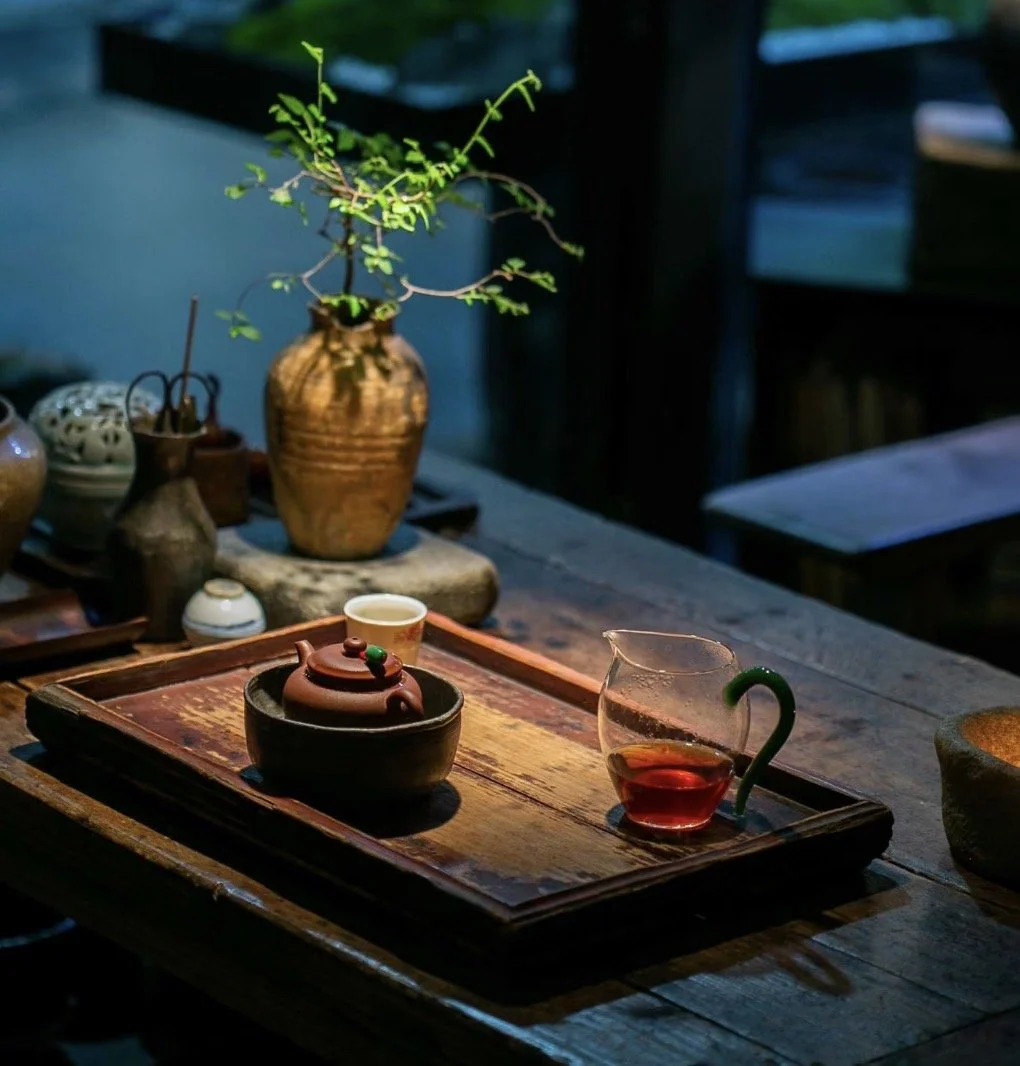
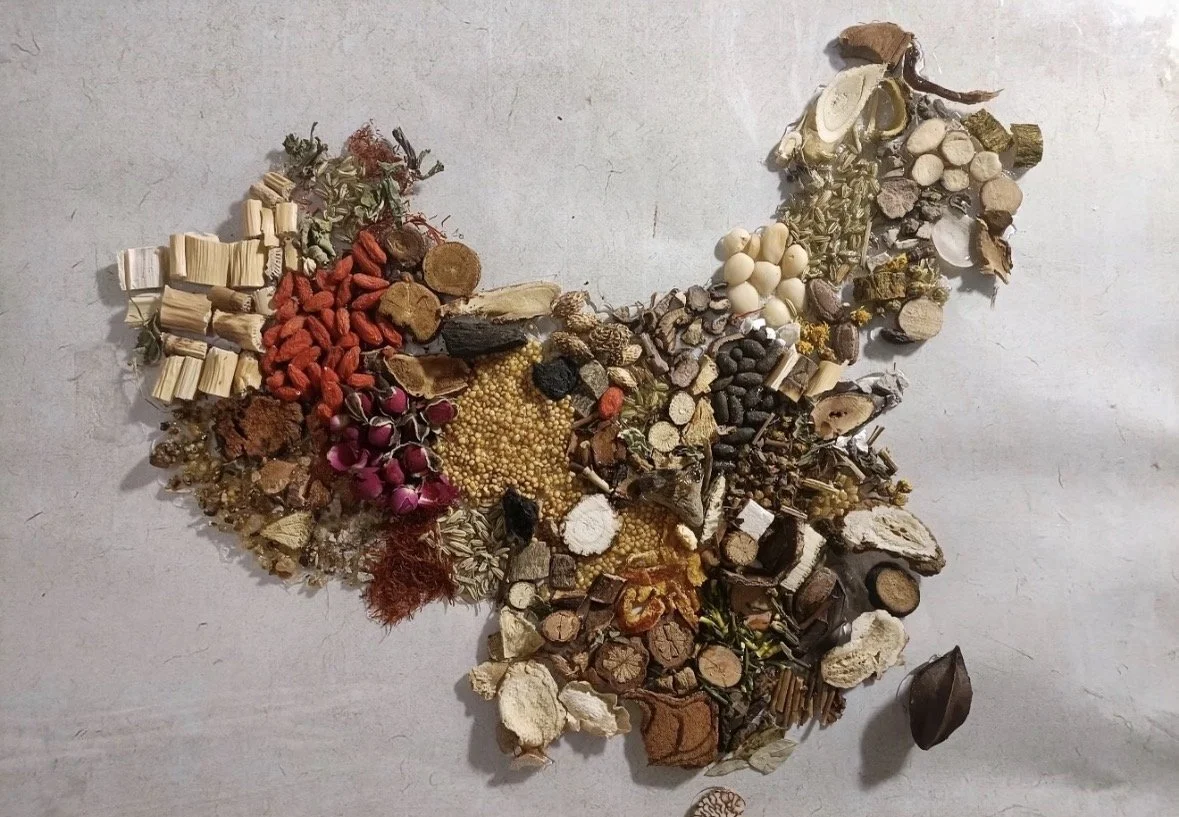
Then we moved into a local lane house for TCM
The afternoon took us somewhere completely different.
We went into a local villa lane house for a TCM workshop.
Not a staged cultural demonstration.
Not something designed simply for tourists to watch.
We sat down with a TCM practitioner.
My client could listen, ask questions, experience the consultation, understand what the practitioner was observing, and discuss different approaches.
And once again, everything happened in Mandarin.
This was probably my favorite part.
Because the Mandarin suddenly became professional Mandarin.
The way a TCM practitioner explains something is different from the way a tea enthusiast talks about tea.
Different vocabulary.
Different ways of explaining.
Different ways of thinking.
And my role was to make those conversations accessible — breaking down complicated language into simple, natural Mandarin when needed, and then letting the professional continue.
Let the masters do what they do best

That’s what I love about this kind of experience.
My client wasn’t there simply as a tourist.
She wasn’t there as a tea customer.
She wasn’t there simply to “try TCM.”
And she wasn’t there just to practice Mandarin with a teacher.
She was a curious person who wanted to understand.
So I’m happy to bring the right people together.
The Tai Chi instructor brings the practice.
The tea enthusiast brings the knowledge.
The TCM practitioner brings the expertise.
Shanghai provides the setting.
And Mandarin connects everything.
My job is simply to make sure the language doesn’t stop the conversation.
When Shanghai becomes the classroom
By the end of the day, we had practiced Tai Chi, cycled through Jing’an and the Former French Concession, prepared Shanghai breakfast, explored tea culture, met a tea enthusiast, stepped into a local lane house, experienced TCM, and had countless conversations in Mandarin.
But the most important part wasn’t how many activities we did.
It was that every experience gave us something to talk about.
That is what makes real-life Mandarin so different.
You don’t always need to start with:
“Today, we are going to learn ten new words.”
Sometimes you start with:
“I wonder why they do it this way?”
And then you ask.
You listen.
You try to explain yourself.
You learn something you didn’t expect.
And you remember the Mandarin because you actually needed it.
Maybe that is one of the best ways to experience Shanghai.
Not just by looking at the city.
Not just by visiting its famous places.
But by talking to the people who know it — and using Mandarin to get a little closer to their world.
Want to experience Shanghai this way?
If you already speak some Mandarin and want to use it in real situations, start with something you’re genuinely curious about.
Tell me what you’d like to explore — food, tea, culture, local life, business, crafts, history, or something completely unexpected.
We’ll find the people, places and conversations that can help you understand it from the inside.
Shanghai is full of stories.
You just need a reason to start a conversation.
Explore Shanghai. Speak Mandarin. Meet the people behind the culture.