Shanghai Food Beyond Street Food: My Experiences at Tai’an Table & Fu He Hui
From RMB 20 breakfasts to Michelin dining, I keep discovering Shanghai through food.
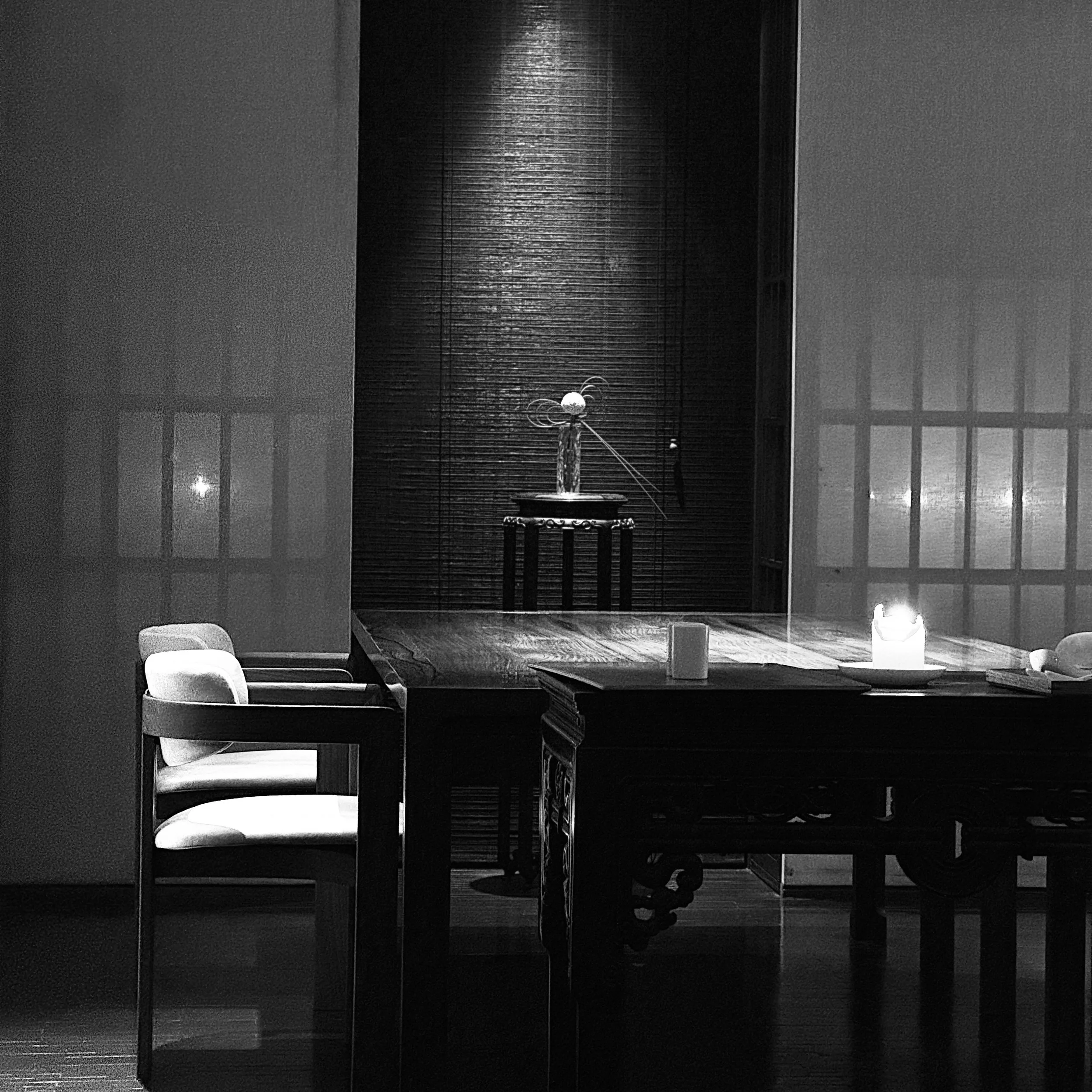
Fu He Hui
I love Shanghai street food.
I love walking into a tiny breakfast shop, ordering something I can't quite explain, watching someone make it in front of me, and wondering how many people have been eating the same thing there for the past 20 years.
I love finding a small restaurant by accident.
I love sitting outside with a bowl of noodles.
I love taking my camera and wandering around until I find something interesting.
But I also love Michelin restaurants.
Maybe because I'm curious about the other end of the spectrum.
What happens when people take food incredibly seriously?
What happens when a team spends months thinking about ingredients, techniques and how an entire evening should feel?
Recently, I had the chance to experience two very different Michelin restaurants in Shanghai: Tai’an Table and Fu He Hui.
I enjoyed both.
But what stayed with me wasn't simply what I ate.
It was everything around the food.
TAIAN TABLE
Tai’an Table
The first thing I noticed at Tai’an Table was how quiet it was.
There are around 20 guests in the room, but you don't feel like you're sitting in a room with 20 people.
Everything is calm.
The team moves around quietly. The timing is incredibly precise. The chef leads the whole experience, and everyone seems to know exactly what they are doing.
You can feel the teamwork without really seeing it.
And I loved that.
Because when a team works well together, you don't need someone to tell you.
You can feel it.
The story behind the ingredients
One of the things that fascinated me was the idea of bringing ingredients from different parts of China into the menu.
There is so much happening behind every dish.
Finding the ingredients.
Testing them.
Thinking about how to cook them.
Changing things.
Trying again.
Designing the menu.
Preparing everything.
And then, finally, serving it to 20 guests in the evening.
The team shared with us how much time and effort goes into this process, with extremely long days behind the scenes.
It made me think about how little of that work we actually see.
We see one beautiful plate arriving at the table.
We don't see all the people behind it.
For me, that was one of the most interesting parts of the experience.
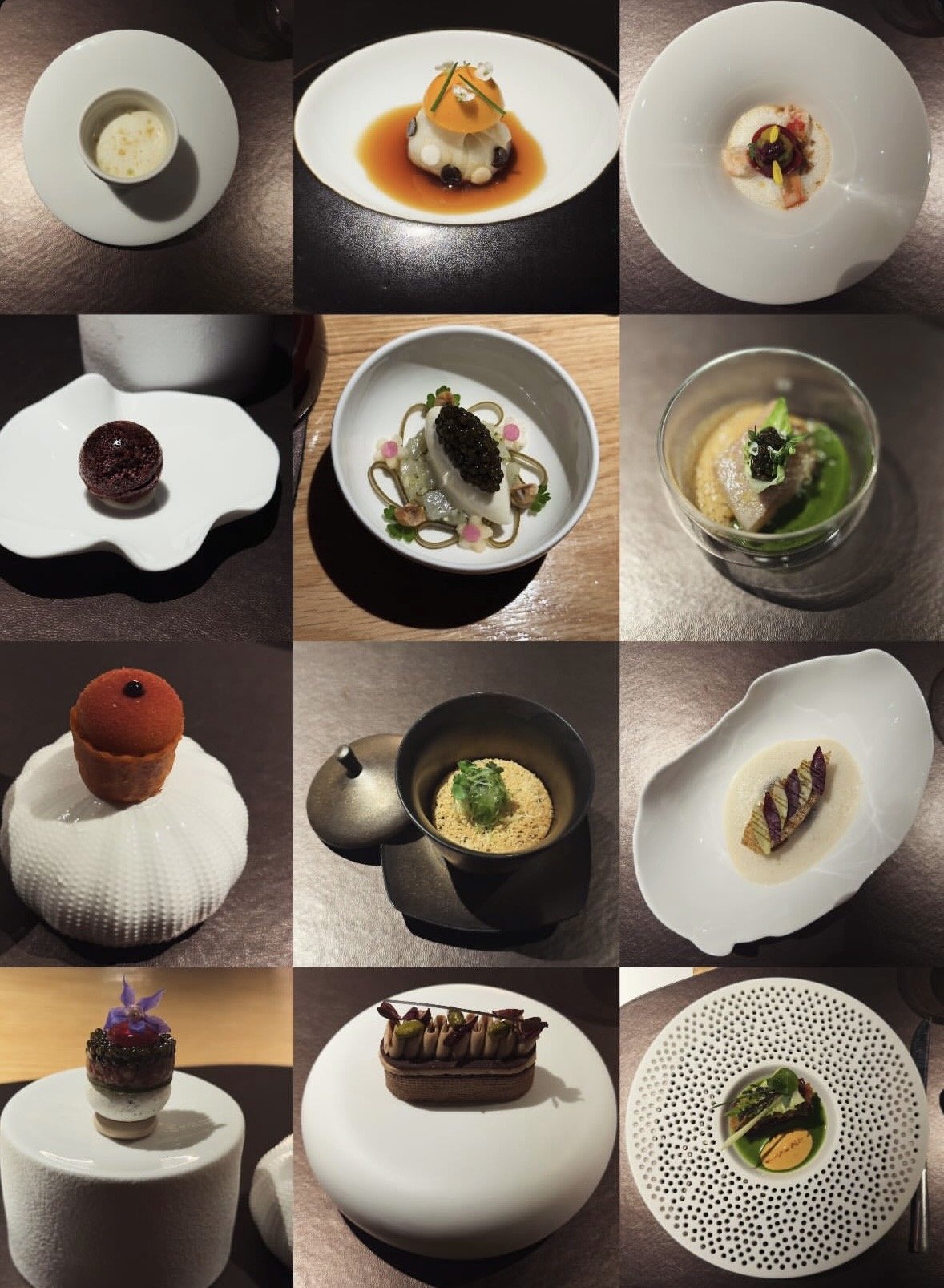
Winter Menu
My favourite moment was behind the scenes
We were able to visit the kitchen and see how everything was prepared.
That was probably my favourite part.
I always like seeing what happens behind the finished product.
Maybe that's why I love exploring Shanghai.
I'm curious about the part you don't immediately see.
The kitchen behind the restaurant.
The tiny shop behind the busy street.
The old lane behind the modern building.
The person behind the food.
The story behind the place.
I always want to know a little more.
Chinese ingredients, a different way of seeing them
I really enjoyed the combination of Chinese ingredients with Western cooking techniques.
It was interesting to see familiar ingredients presented in ways I wouldn't normally expect.
And then there was dessert.
That was a surprise.
I won't tell you too much about it because I think some things are better experienced without knowing what is coming.
One of the reasons I enjoy fine dining is exactly that feeling of:
“Oh, I didn't expect that.”
But what I liked most was the way people talked to us
This might sound like a small thing, but it made a big difference.
When the team came to the table, it didn't feel like someone was simply reading an explanation.
They were sharing something they liked.
You could feel that they were proud of the ingredients and the work behind them.
It felt a little like talking to a friend who has just discovered something really interesting and wants you to try it too.
That kind of interaction stays with me.
Because I don't remember every sentence someone tells me.
I remember how they made me feel.
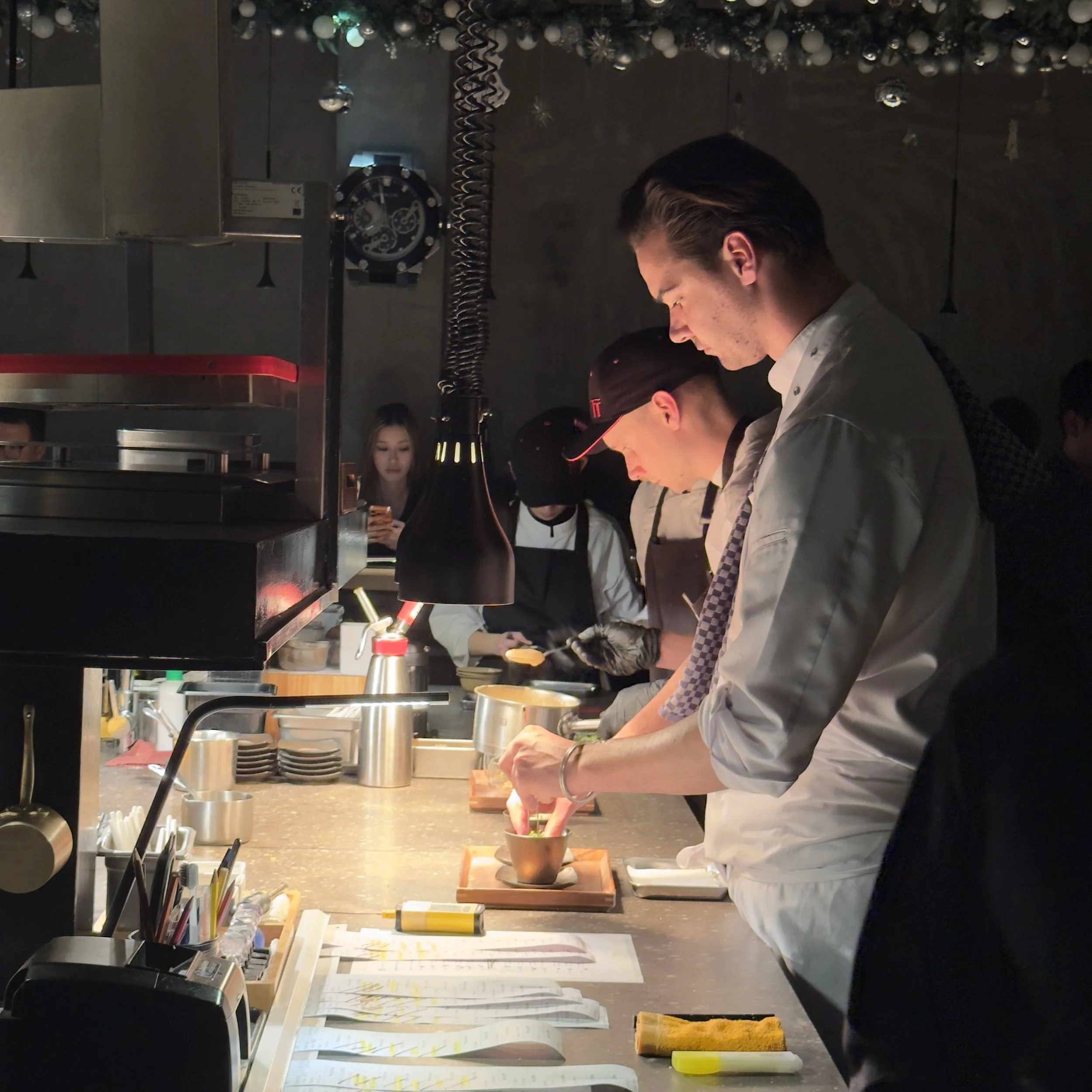
The Team
Then I went to Fu He Hui
Fu He Hui was a very different experience.
And I really liked it too.
The first thing that impressed me was the variety.
The idea of creating this level of delicacy and detail around vegetarian food is fascinating.
The dishes looked beautiful.
The flavours were subtle.
Nothing felt too much.
I particularly enjoyed the way different dishes were paired with different Chinese teas.
That combination was probably one of my favourite parts.
It made me think about how food and tea can be experienced together, rather than simply having tea as something you drink between dishes.
The room itself was also beautiful.
There was a strong Chinese aesthetic throughout the space, which made the whole experience feel very coherent.
There are ten dishes in total, followed by dessert.
And yes, we enjoyed it.
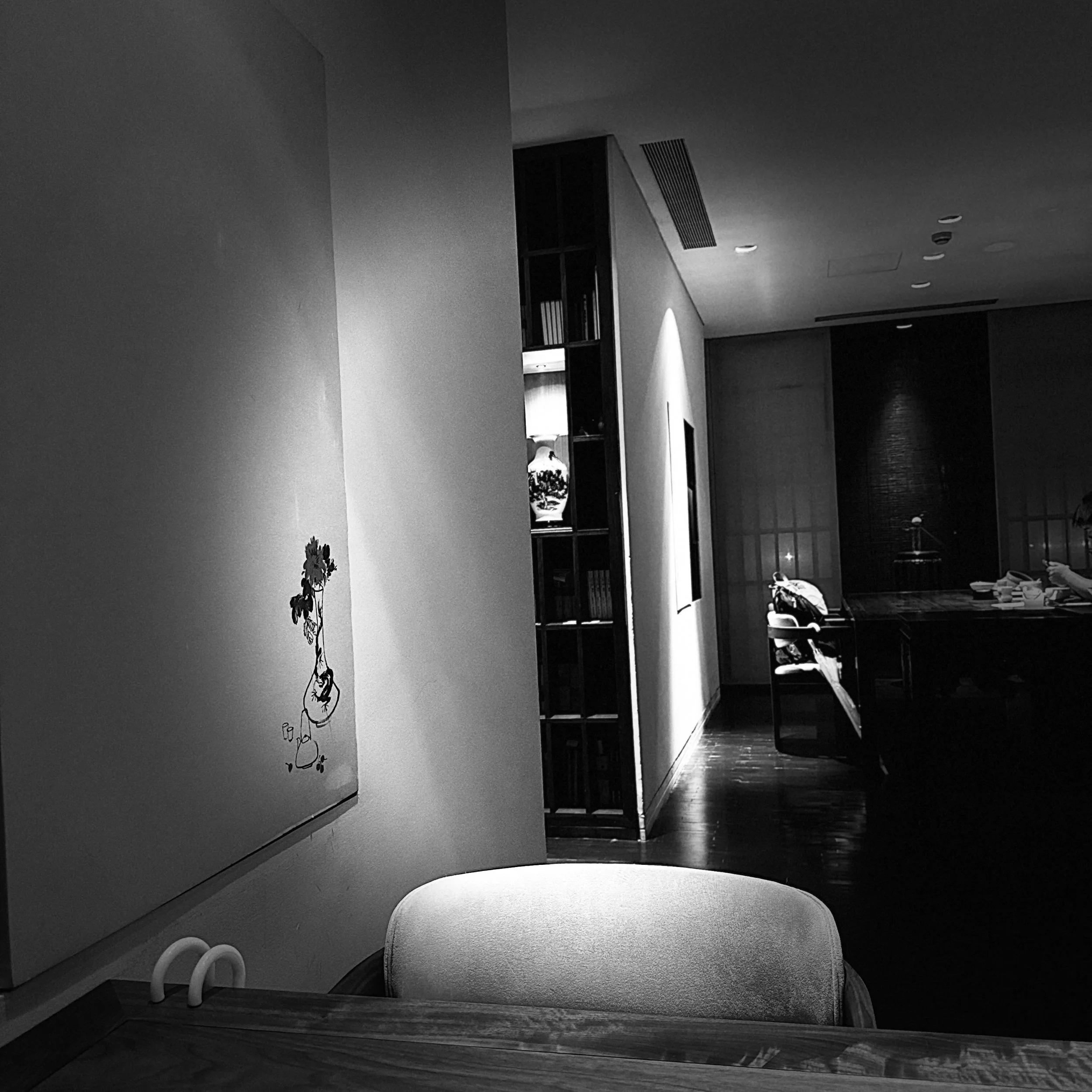
FU HE HUI
What I was missing
If there was one thing I wanted more of, it was the storytelling.
The service was very good.
But sometimes the explanations felt a little too much like information being delivered.
And I found myself wanting to ask more.
Not just:
“What is this?”
But:
“Why did you choose this?”
“Where did the idea come from?”
“What do you personally like about it?”
Because when something is already written on the menu, I don't really need someone to repeat it to me.
I'd rather hear the story behind it.
That's probably just my personality.
I always want to know the story.
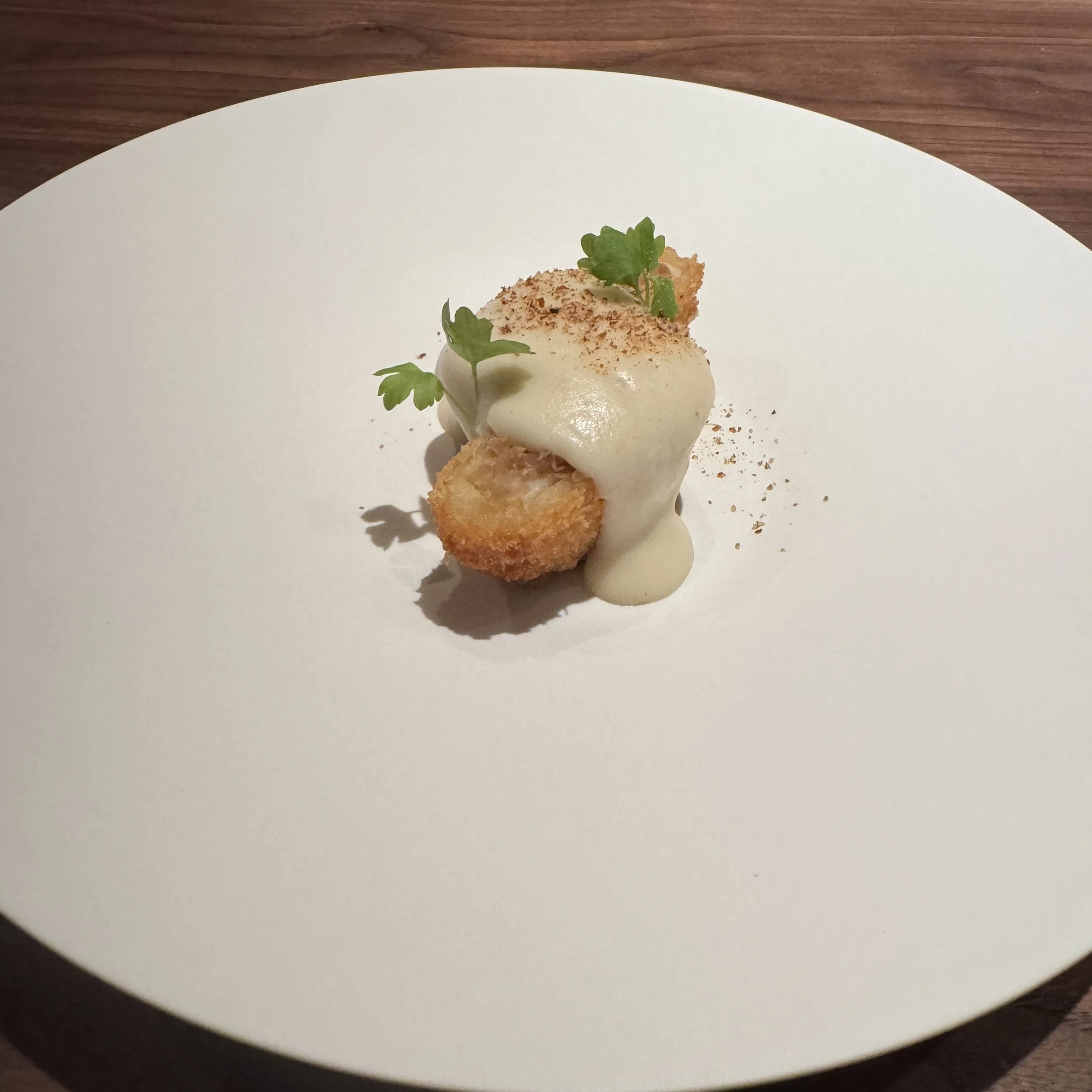
FU HE HUI MENU
One practical thing
Fu He Hui was also more lively and louder than Tai’an Table.
If you're going with more than four people, I would suggest booking a private room.
I think it would make the experience much more comfortable, especially if you want to talk and enjoy the tea and food together.
The set menu is around RMB 1,200 per person, and you can also choose additional dishes.
Tai’an Table is around RMB 3,500 per person, with around 20 guests each evening.
Both are places I would definitely book ahead.
And I would treat Tai’an Table as a whole-evening experience rather than simply "dinner."
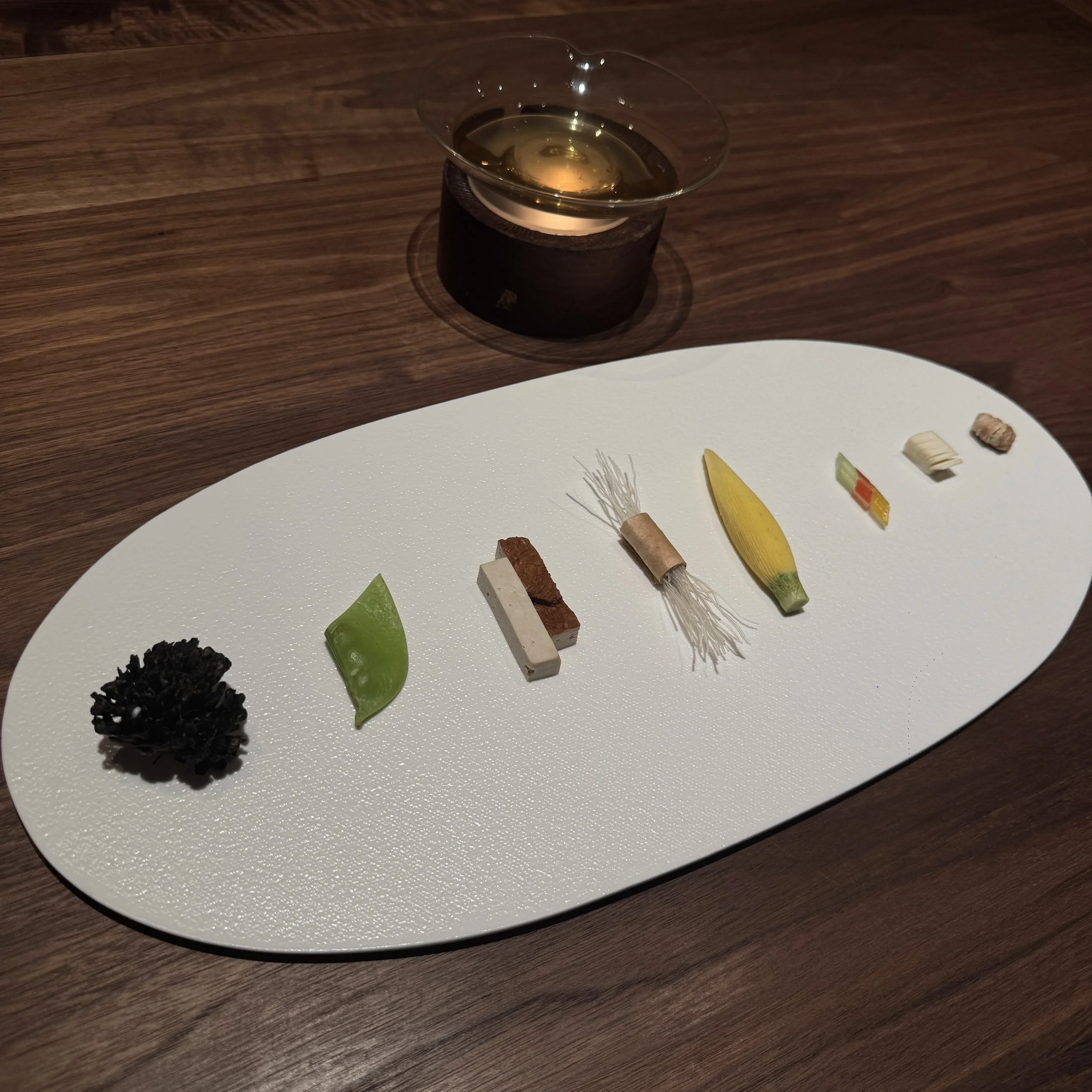
FU HE HUI MENU
So which one did I prefer?
Tai’an Table.
But not because I think one restaurant is simply better than the other.
I liked both for different reasons.
I just connected more with the spirit of Tai’an Table.
The teamwork.
The quietness.
The amount of work behind the scenes.
The chef's leadership.
The ingredients coming from different parts of China.
And especially the way people talked about the food.
You could feel that they cared.
And I realized that this is probably something I look for everywhere.
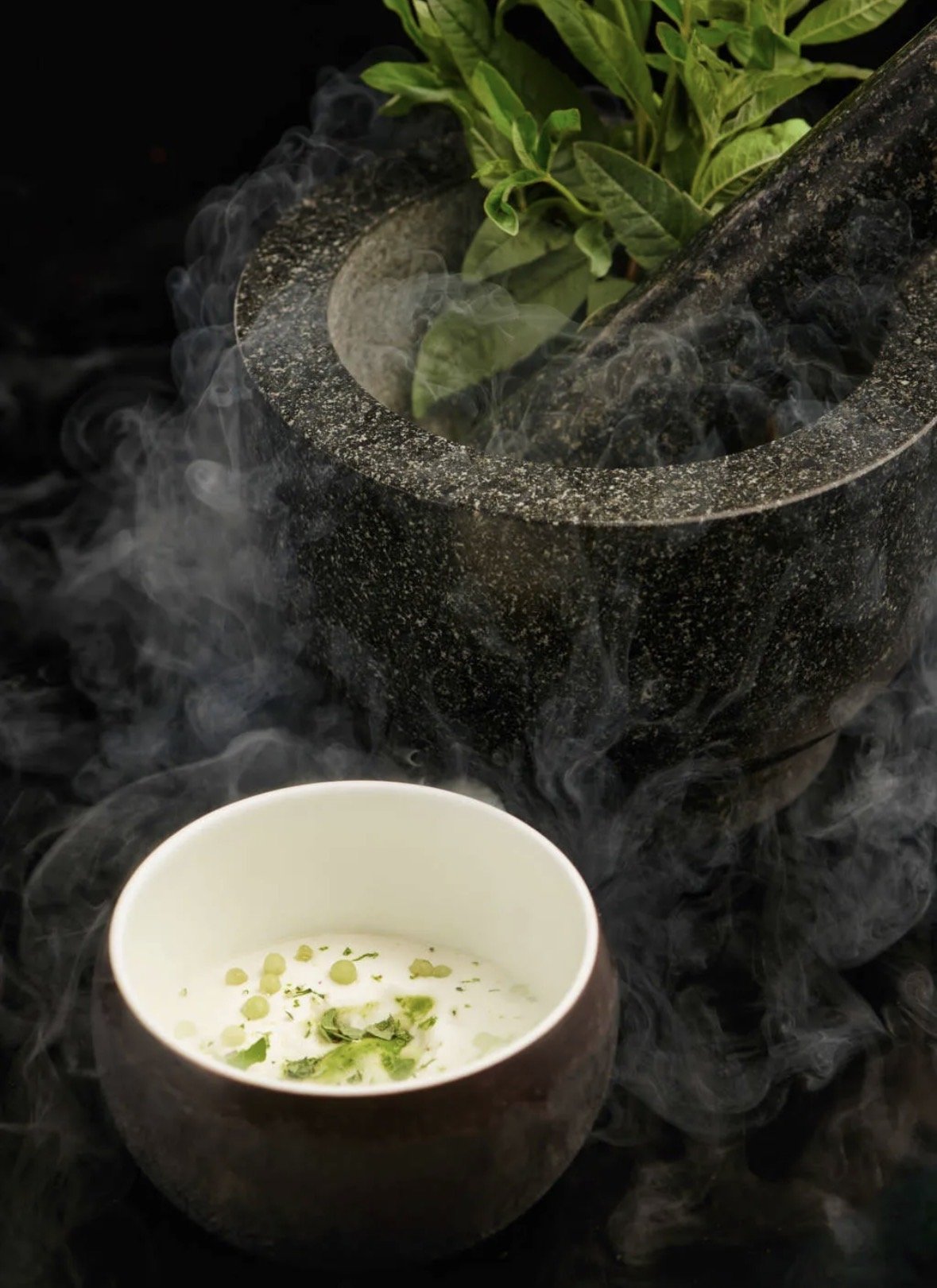
TAIAN TABLE MUNU
Maybe that's also why I love exploring Shanghai
I've been exploring Shanghai for years.
Sometimes it's a RMB 20 breakfast.
Sometimes it's a Michelin tasting menu.
Sometimes it's a little restaurant I found while walking.
Sometimes it's a café I've passed a hundred times and finally decided to enter.
Sometimes I'm riding my scooter somewhere with no real plan.
Sometimes I'm taking photos.
Sometimes I'm just sitting somewhere and watching people.
They are completely different experiences.
But for me, they all have something in common.
They make me curious.
And that's probably what I love most about food in Shanghai.
It gives me an excuse to ask questions.
Where does this come from?
How do people normally eat it?
Why is it made this way?
What is this called in Chinese?
Who decided to make it this way?
And suddenly, you're not just eating.
You're learning something about the place.
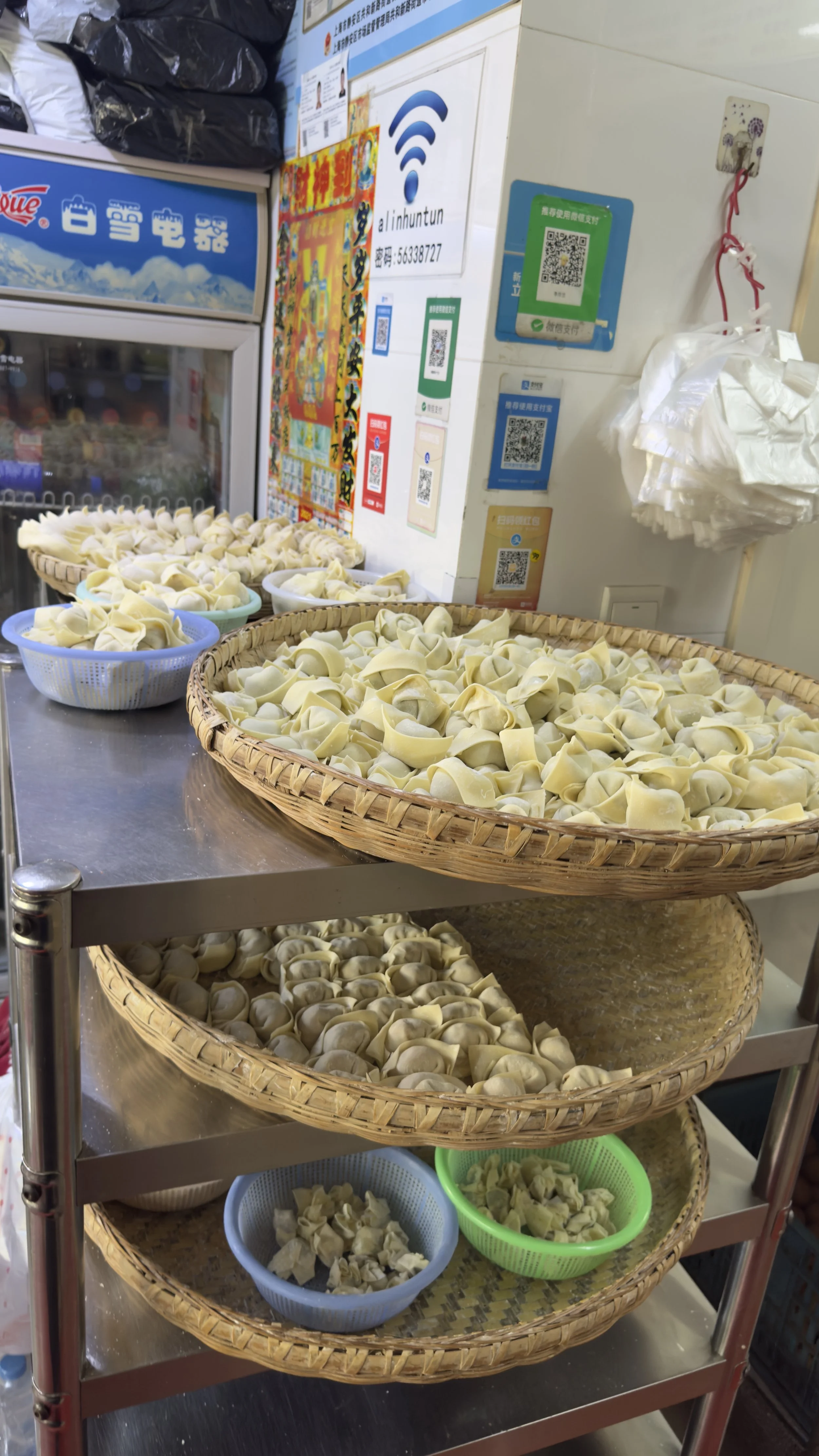
SHANHHAI WONTON
Food is one of my favourite ways to learn a city
This is also why I love introducing people to Shanghai through food.
I don't necessarily want to show them the most famous restaurant.
Sometimes I want to show them the breakfast place where people from the neighbourhood have been eating for years.
Sometimes I want to take them somewhere they would never find by themselves.
Sometimes we talk about the history of a dish.
Sometimes we learn a few Mandarin words.
Sometimes we just sit there and eat.
And sometimes, if we're lucky, someone starts telling us a story.
That's the moment I love.
Because I don't think a great Shanghai experience has to be complicated.
It just needs to make you notice something you might otherwise have missed.
Street food or Michelin?
Honestly?
Both.
I don't think I have to choose.
A street food stall and a Michelin restaurant tell completely different stories about China.
One shows you everyday life.
The other shows you what happens when people take an idea to an extreme level of detail.
One might cost RMB 10.
The other RMB 3,500.
But I don't think price decides whether an experience is meaningful.
People do.
Stories do.
Curiosity does.
And sometimes, it's simply about being open enough to try something new.
Maybe that's why, after all these years, I'm still curious about Shanghai.
I don't want to experience the city only as a local.
And I don't want to experience it only as a tourist.
I want to keep looking at it from different angles.
A breakfast stall.
A Michelin kitchen.
An old lilong.
A hidden café.
A conversation in Mandarin.
A new neighbourhood discovered on my scooter.
A table shared with friends.
A story told by someone who genuinely loves what they do.
Shanghai keeps changing.
And so do I.
Maybe the best way to experience a city is simply to stay curious about it.
If you're curious about Shanghai beyond the usual recommendations
This is the kind of Shanghai I love sharing — food, neighbourhoods, Mandarin, photography, stories and the little details that are easy to miss when you only follow a guidebook.
I create personal Shanghai experiences for people who want to explore the city, not simply visit it.
Sometimes we eat.
Sometimes we walk.
Sometimes we talk.
Sometimes we get a little lost.
And usually, that's when Shanghai gets interesting.
